← All our cities🇵🇹 Portugal
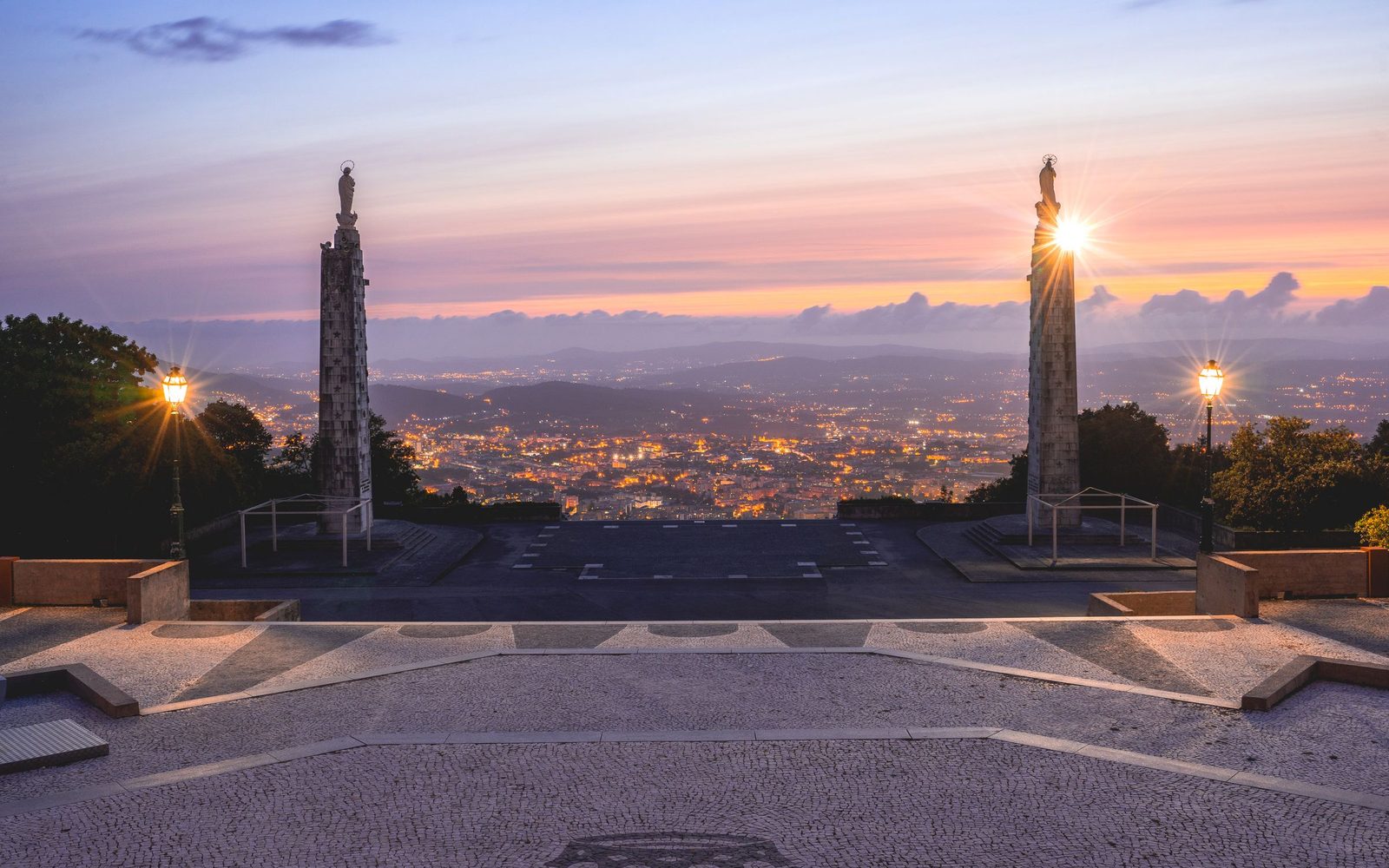
Living in Braga
The youngest city in Portugal, fifty minutes from Porto and thirty from the ocean.
The youngest city in Portugal, fifty minutes from Porto and thirty from the ocean.
Braga is a thousand years older than Portugal: its cathedral was consecrated in 1089, the country was recognised in 1143. It is also the municipality that gained the most inhabitants in the country between 2011 and 2021, and the one with the most people under thirty.
People rarely pick it first, and that is exactly the point. You are fifty minutes by train from Porto, thirty minutes by car from the Atlantic, forty minutes from the country's only national park, and your monthly transport pass costs twelve euros.
Braga sits between the two: forty minutes to the country's only national park, thirty to the Atlantic, twenty to the birthplace of Portugal.
The only national park in Portugal. Waterfalls, lagoons, granite villages, and the Roman road that linked Braga to Astorga. Five buses a day from the coach station if you have no car, an hour and twenty-five.
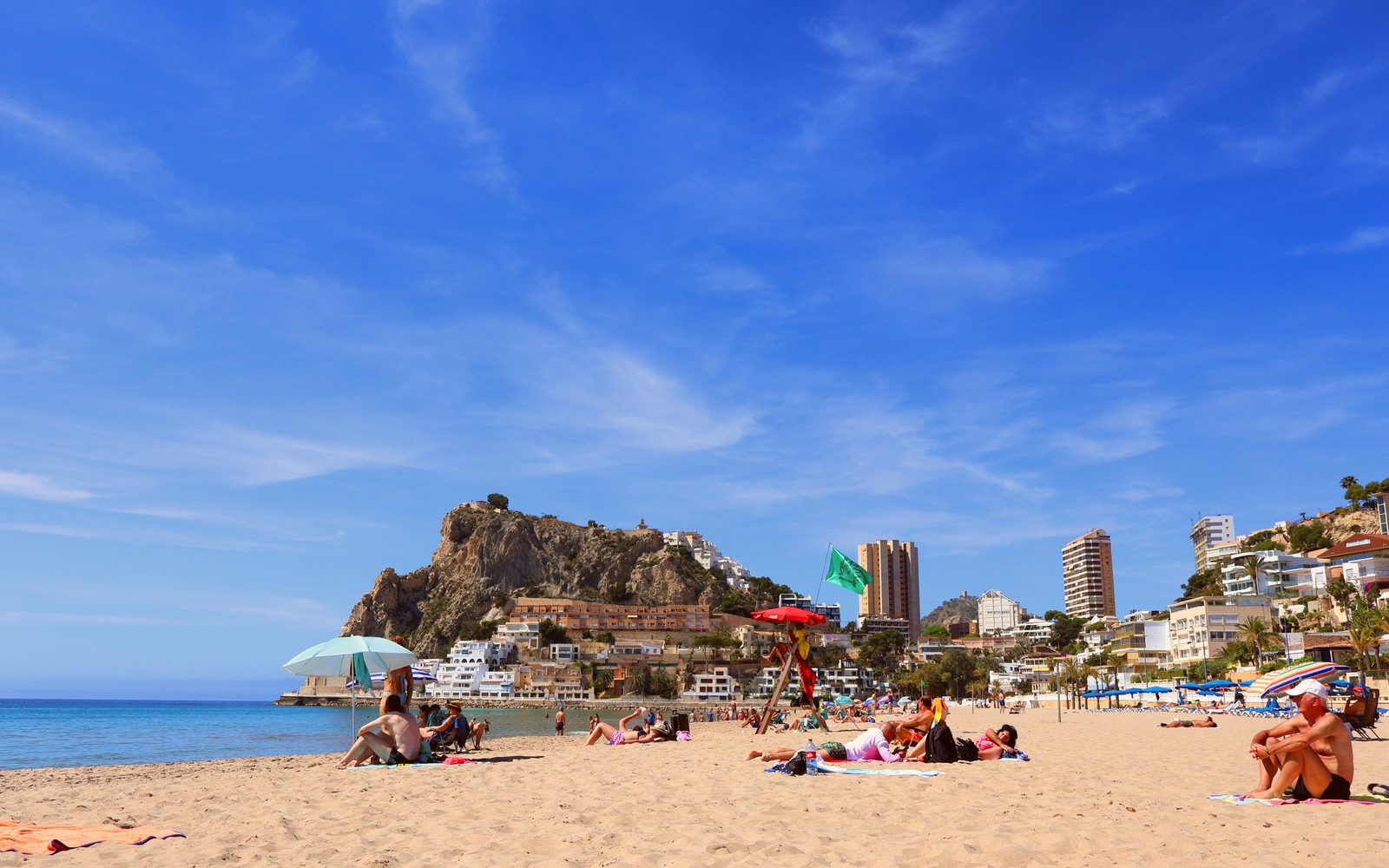
The nearest beach. This is the most underrated argument for Braga: the ocean is less than half an hour away, and the Minho coast is far quieter than the one around Lisbon.
The birthplace of Portugal, a UNESCO-listed old town and a tenth-century castle. Buses every hour, thirty-six minutes, two to five euros.
Spain is a hundred and eighty kilometres away, with no border to cross. Four direct buses a day from Braga, two hours fifteen, fifteen to thirty euros.
Opened on 25 March 1882, the Elevador do Bom Jesus runs without a motor: two cabins, one cable, and tanks filled with water at the top to bring it down. Half a million passengers a year.
Designed by Eduardo Souto de Moura, later a Pritzker laureate. Two stands only, joined by cables strung above the pitch, and bare rock behind one of the goals. Two hundred million euros on an initial budget of thirty.
Peneda-Gerês: waterfalls, lagoons, wild horses, and the Geira, the Roman road from Braga to Astorga whose milestones still stand along the trail.
The University of Minho makes Braga the youngest municipality in the country: sixty thousand people under thirty out of a hundred and ninety-three thousand.
Braga sits against the mountains of the Minho, the greenest region in Portugal, and it owes that to its rain: 1,466 millimetres a year, more than double Lisbon. That is not something to hide. In exchange, winter stays milder than a northern spring, with an average high of 13.4 °C in January against 3.2 °C in Berlin, and the summer is hot and dry.
| Sunshine a year | Rainy days | January, average high | July, average high | |
|---|---|---|---|---|
| Braga | 2,465 h | 116 d | 13.4 °C | 27.5 °C |
| Paris | 1,660 h | 110 d | 7.6 °C | 26.3 °C |
| Brussels | 1,605 h | 131 d | 6.3 °C | 23.5 °C |
| Amsterdam | 1,780 h | 133 d | 6.2 °C | 22.5 °C |
| Berlin | 1,730 h | 101 d | 3.2 °C | 25.0 °C |
The sunshine figure is an estimate: the Braga weather station does not measure it, so the number is extrapolated from Porto, forty-one kilometres away.
Braga has no airport. Porto is fifty kilometres away, served by a direct forty-five minute shuttle at nine euros, sixteen departures a day from four in the morning to a quarter to midnight.
Porto is a Ryanair base and a secondary TAP hub: one hundred and thirty-four non-stop destinations. Sixty-four flights a week to Paris-Orly, thirty-six to Amsterdam, enough to go home for a weekend without planning it.
Real prices, not the ones on the tourist streets.
Twelve euros a month for transport is the lowest of all our destinations, ahead of Athens at twenty-seven. The city cut it by fourteen per cent in March 2026 and is aiming for free travel by 2029.
It depends on the role, the language and the employer, and a good share of our roles also come with help towards accommodation and the cost of getting there. Your recruiter gives you the exact detail, package included, before you commit to anything.
The average asking rent in Braga is €10.1 per square metre, against €14 to €16 in Porto. The prices below are from April 2026.
The most populated district, right against the east of the old town, with the station and the shopping centre. You live without a car, with supermarkets and cafés downstairs. In exchange the main roads are noisy and parking is a fight.
🚇 10 to 20 min on foot from the centrePostcard Braga: the cathedral, the arcades, the covered market, the terraces. The other side of it is old building stock that is often poorly insulated, no parking at all, and a pedestrian zone that gets very busy at weekends.
🚇 You are already thereThe University of Minho campus and its twenty-one thousand students. Plenty of flatshares, recent buildings, very green and very quiet. Too quiet outside term time: you have to come back down into town to go out.
🚇 Bus 101 · 21 min from the coach stationA recent residential area where the same budget buys you the most square metres, often with a garage. In exchange, little street life and a real dependence on the bus or a car.
🚇 3 to 4 km south of the centreBraga cathedral was consecrated on 28 August 1089, fifty-four years before Portugal was recognised as a kingdom. The Archbishop of Braga still holds the title of Primate of the Spains.
Braga has its own Catholic liturgical rite. When Pope Pius V imposed the Roman rite on the whole of Latin Christendom in 1570, Braga was exempted because its own was already more than two hundred years old.
The European Commission named Braga European Rising Innovative City in 2024: two thousand jobs created every year, exports doubled, two hundred and fifty startups supported since 2014.
Salary shown upfront, a signed job offer before you fly, and the local language is never required.
Fifteen minutes on the phone with a recruiter who lives there. We go through the open roles, the package and the timing.
Hiring multilingual talent? We cover the European markets. ★ 5.0 · 132 Google reviews What we do for you →
Measurement and attribution
With your consent, we keep for 90 days a record of the campaign that brought you here, so we know what works. Our audience measurement is anonymous and needs no consent. You can change your choice at any time. Privacy policy